
Macular Degeneration can develop at any age, but it is also a common part of the aging process, where it is referred to as "age-related macular degeneration," or AMD. It occurs as your macula deteriorates. The macula is near the centre of the retina (the tissue at the back of the eye that is sensitive to light) and is what allows us to distinguish color and make out fine detail. As [...]
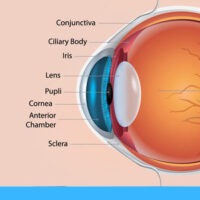
Your eye is one of the most complex parts of your body. The parts of your eye allow your body to take in light and perceive objects around you in the proper color, detail and depth. This allows you to make more informed decisions about your environment. If a portion of your eye becomes damaged, you may not be able to see effectively, or you can lose your vision all together. What are the parts of [...]
Red Eye occurs when the vessels in your eye become swollen or irritated. Redness of the eye, also called bloodshot eyes, can indicate the presence of several different health problems. While some of these problems are benign, others are serious and require emergency medical attention. Red eyes usually are caused by allergy, eye fatigue, over-wearing contact lenses or common eye infections such as [...]
20-20 Vision - Normal visual acuity. Upper number is the standard distance (20 feet) between an eye being tested and the eye chart; lower number indicates that a tested eye can see the same small standard-sized letters or symbols as a normal eye at 20 feet. Amblyopia or "lazy eye" - Condition of decreased vision in one or both eyes without detectable anatomic damage in the eye or visual pathways.[...]
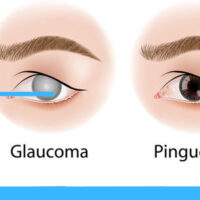
Glaucoma is often called the sneak thief of sight because it can strike without pain or other symptoms and is one of the leading causes of blindness in the United States. The best way to protect your sight from glaucoma is a glaucoma test which measures the pressure inside your eye (tonometry). This may be done with an instrument that sends a small puff of air onto the surface of your eye [...]
Your retina is a layer of light-sensitive tissue which lines the inside of your eye. The layers of the retina are composed of nerve cells just like your brain. Birth control pills can lead to many eye problems, including retinal vascular problems. Chloroquine, an anti-malaria and arthritis medication, may lead to retinal detachment, reduced color vision, blind spots, and blurred central vision. [...]
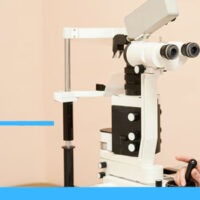
Because contact lenses are medical devices, a contact lens exam is required in Pennsylvania before prescribing any contacts. Your optometrist will make sure that your vision examination for your prescription involves finding the correct fit and solution for your contacts. For contact lens wearers, a contact lens exam is absolutely necessary to ensure the lenses are fitting [...]
Personalized consultation from the person who is designing, manufacturing and dispensing your eyewear. Wohl opticians are highly skilled eye care professionals with rigorous and extensive training to fulfill education and practice competencies. All ophthalmic lenses require precise measurements to be taken from your face and eyes, and the results must be accurately transferred to the eye wear. [...]
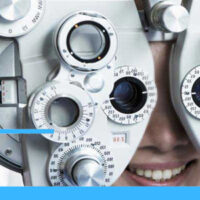
A comprehensive eye health exam consists of: Visual acuity is checked using the eye chart to evaluate vision Vision refraction is performed to determine the best eye glass prescription. Refraction finds common vision related conditions (refractive errors) including myopia (nearsightedness), hyperopia (farsightedness), astigmatism. Near vision testing to determine need for [...]
Veteran Helping Veterans - Local Bucks County, PA Independent Optician

Copyright © 2016-2022
All Rights ReservedCredit Cards Accepted

Wohl Optics 550 Street Rd. Warminster, PA 18974 (215) 443-7706 Privacy Policy HIPAA Sitemap